

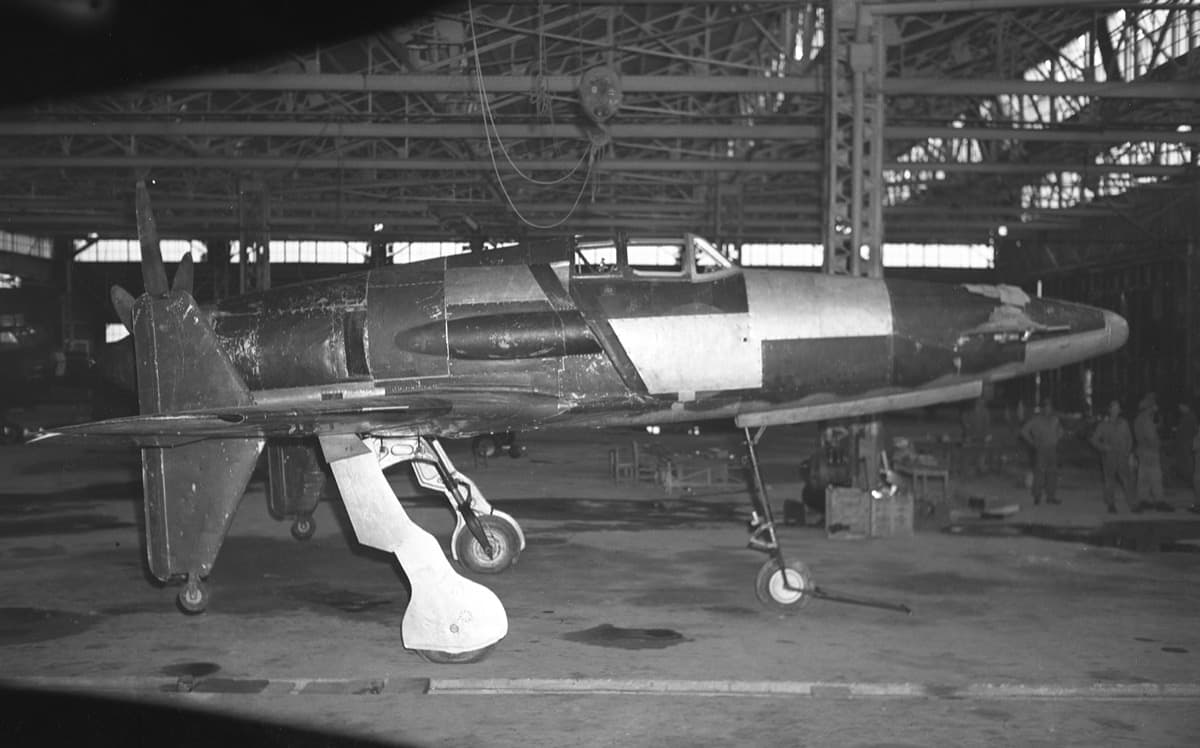
The Kyushu Shinden first tested its wings on Aug. 3, 1945. Two more quick test sorties, said to have been made on Aug. 6 and 9, the dates when atomic bombs exploded over Hiroshima and Nagasaki, were the last flights for the Shinden. Six days later Japan surrendered, ending the war and the need for the Shinden.
Of Wings & Things
Dauntless: From Northrop concept to Douglas production
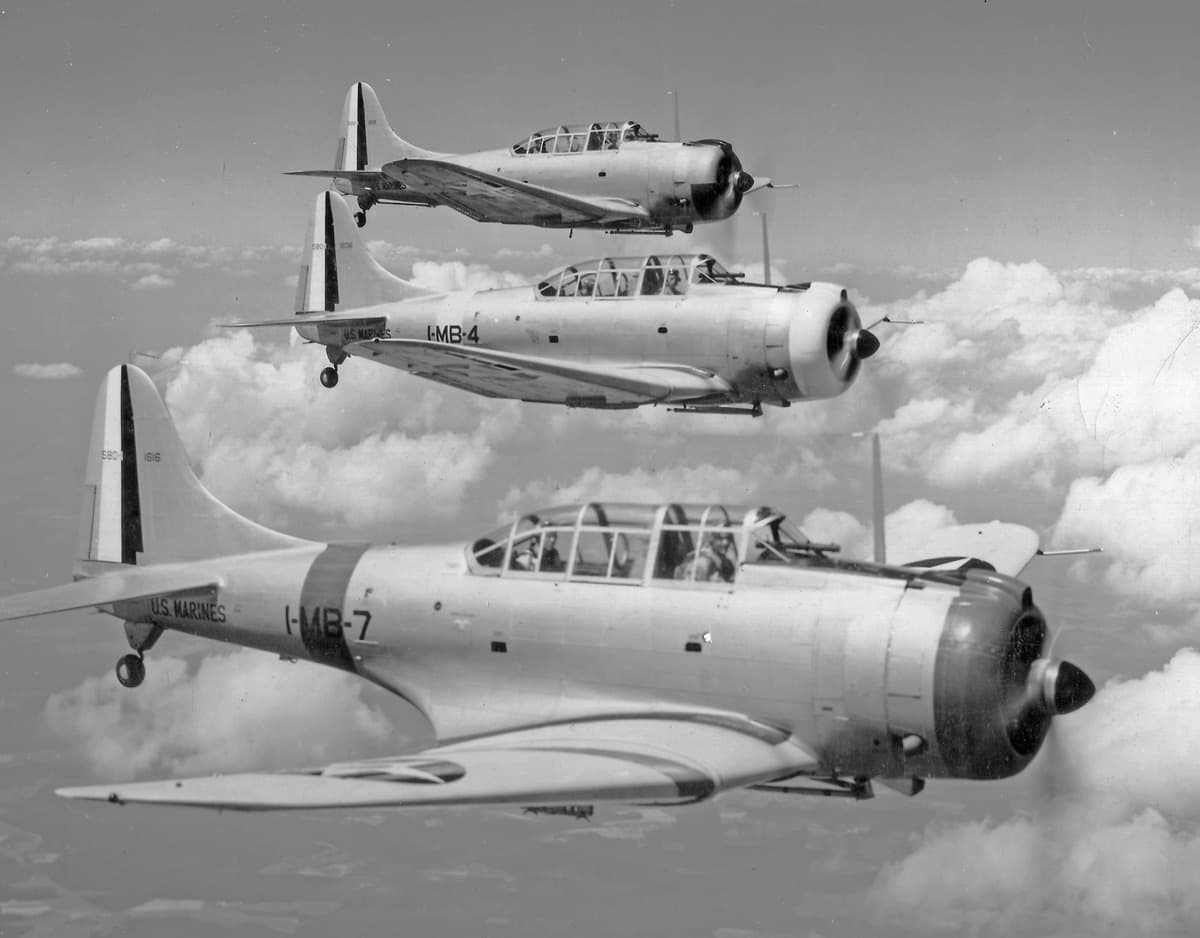
The BT-1 might have been an anecdotal footnote in aviation history, but the modified XBT-2 showed promise. Now part of the Douglas portfolio for the Navy, the XBT-2 was redesignated the Douglas SBD-1.
Celebrating 100 years of Fairchild Aircraft

Led by Sherman Mills Fairchild, who enjoyed both wealth and talent, Fairchild fast became a reliable part of American aviation industry.
Me 262 jet pointed to the future as it slipped into the past

The shark-like predator look of the Messerschmitt Me 262, coupled with its capabilities as a combat jet aircraft in World War II, ensure this warplane will be forever fascinating.
Hawk One Canada was an air show stunner

Through the 1970s, air shows in the Northwest U.S. and across the border in British Columbia could count on a roaring, rousing opener performed by McDonnell F-101 Voodoo interceptors.
Albin Longren: The aviation pioneer you don’t know

Longren did not have any formal education as an aeronautical designer and engineer. He also lacked any flight training. Neither stopped him from achieving success with his original biplane, the Longren Topeka.
Martin bombers: From World War I and beyond

Glenn Martin, characterized by some biographers as a prim and proper son who doted on his mother, was also an aviation visionary who leapfrogged his early bomber successes into a growing line of warplanes for the Air Force, Navy, and foreign customers.
A toast to the importance of aviation

“Aviation is even more widely interesting than prohibition.”
Several lives remain for this restored Cat

There’s a brand-new-looking Grumman Hellcat on the scene that is the oldest of the F6F breed extant.